
Corporate Uniforms vs Workwear: What’s the Difference?
Businesses often use “uniform” and “workwear” to mean the same thing, but they are bought for different reasons — and confusing them can mean staff end up in the wrong clothing.
The three categories
| Corporate uniform | Workwear | PPE clothing | |
|---|---|---|---|
| Main purpose | Brand image, identification | Durability, practicality | Protection from a specific hazard |
| Who wears it | Reception, retail, hospitality, sales | Trades, warehouse, maintenance, logistics | Workers exposed to traffic, heat, chemicals etc. |
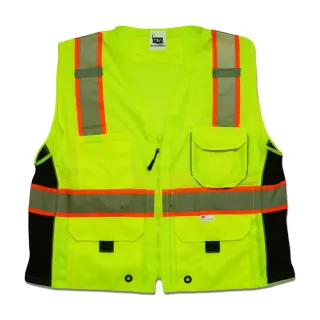
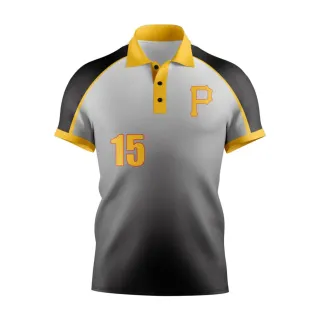
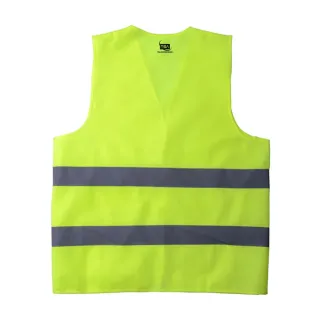
| Typical items | Shirts, blouses, polos, blazers | Work trousers, coveralls, jackets, work shirts | Hi-vis, flame-resistant, chemical-protective garments |
| Standards | Usually none | Sometimes | Required (e.g. EN ISO 20471 for hi-vis) |
Corporate uniforms
- Focus on fit, colour consistency and presentation.
- Easy-care fabrics such as polycotton reduce ironing.
- Embroidered logos give a smart, long-lasting finish.
Workwear
- Tough fabrics (twill, canvas, ripstop), reinforced seams and practical pockets.
- Designed to be washed often, sometimes industrially.
- Can still carry the company logo and colours.
Where they overlap
Many companies blend the two: a branded polo for drivers that is tough enough for loading, or a hi-vis jacket in corporate colours. When a garment is also PPE, the safety standard comes first and branding must fit around it.
How to choose
- List every role and what they actually do in a day.
- Identify any hazards from the risk assessment — these need PPE.
- Choose durability levels for each role.
- Apply consistent branding across all categories.
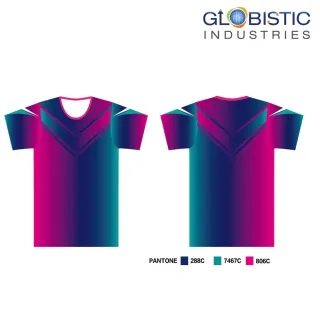 Mens Polo ShirtsPro-Fit Men's Polo Shirt
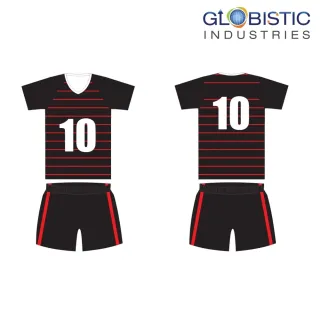 Mens Polo ShirtsYouth League Men's Polo Shirt
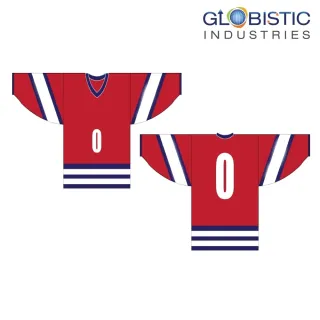 Mens Polo ShirtsMatch Day Men's Polo Shirt
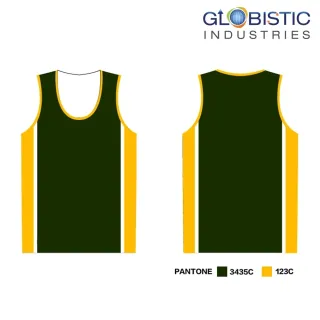 Mens Polo ShirtsTeam Edition Men's Polo Shirt
Frequently asked questions
Is workwear the same as PPE?
Not always. Workwear is practical clothing for physical jobs; PPE protects against a specific hazard and must meet the relevant standard. Some workwear is also certified PPE.
Can uniforms be both smart and durable?
Yes. Polycotton polos and shirts with reinforced seams and embroidered logos are common for staff who switch between customer-facing and practical tasks.
Who pays for workwear?
Rules differ by country. In many jurisdictions employers must provide required PPE free of charge; check local regulations.
Products related to this guide
Need workwear or safety clothing for your team?
Tell us the roles, quantities and standards you work to and we will recommend suitable garments.