
Choosing Workwear for Construction Crews
In this article
Construction workwear has to survive abrasion, dirt, weather and constant movement — and in many roles it also has to keep workers visible. This guide covers what to check when choosing clothing for a construction crew.
1. Start with the risk assessment
The employer or site manager’s risk assessment decides which personal protective equipment (PPE) is required. Workwear should support that assessment, not replace it. Common requirements include high-visibility clothing near traffic or plant, and flame-resistant or arc-rated clothing for specific electrical or hot-work tasks.
2. High visibility
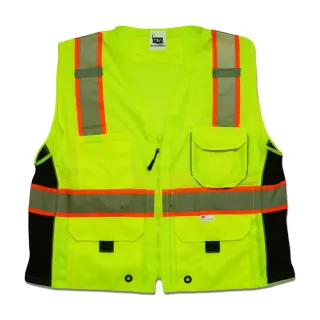
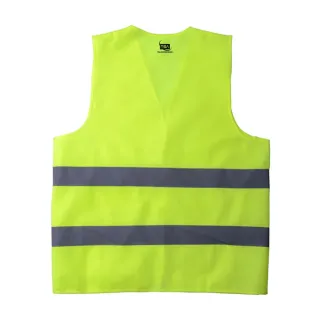
Where hi-vis is required, choose garments certified to the standard your site uses (for example EN ISO 20471 in the UK and EU, or ANSI/ISEA 107 in the US) and in the class the risk assessment specifies. See our guide to hi-vis classes for details.
3. Durable fabrics
| Fabric | Strengths | Typical use |
|---|---|---|
| Polycotton twill | Hard-wearing, easy care, holds colour | Trousers, shirts, coveralls |
| Cotton canvas / duck | Very tough, comfortable, breaks in over time | Trousers, jackets |
| Ripstop | Grid weave stops small tears spreading | Lightweight trousers and jackets |
| Stretch panels | Freedom to kneel, climb and bend | Crotch and knee areas |
4. Trousers: the hardest-working garment
- Reinforced knees, and knee-pad pockets if workers kneel often (check knee pads are compatible with the trousers — EN 14404 covers knee protectors in Europe).
- Triple-stitched main seams and bar-tacks at stress points.
- Tool, phone and ruler pockets placed where they do not snag.
- Belt loops strong enough for tool belts.
5. Layers for the weather
- Heat: lightweight, breathable shirts and polos; long sleeves for sun protection.
- Cold: fleece or softshell mid-layers and insulated jackets.
- Rain: waterproof jackets and over-trousers with taped seams.
6. Branding and identification
Company logos, role titles or crew colours help visitors and supervisors identify staff. On hi-vis garments, logos must not reduce the reflective and fluorescent areas below what the standard requires — ask your supplier where branding can safely go.
7. Sizing and fit
Order a size run for fitting before bulk. Offer women’s fits where possible; ill-fitting PPE is less safe and less likely to be worn.
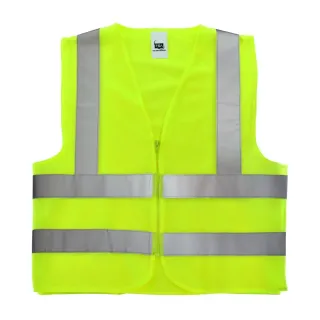 Working VestHi-Vis Safety Vest HV-101
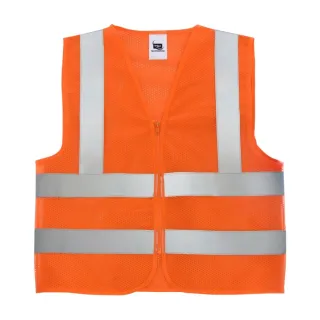 Working VestHi-Vis Safety Vest HV-102
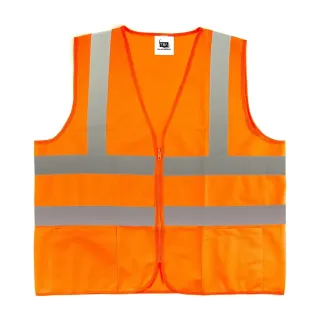 Working VestHi-Vis Safety Vest HV-103
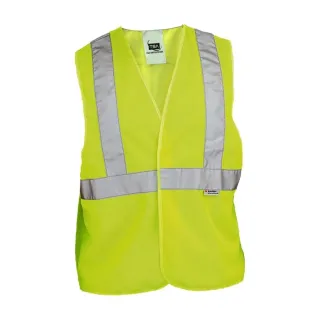 Working VestHi-Vis Safety Vest HV-104
Frequently asked questions
What is the most durable fabric for work trousers?
Heavy cotton canvas and polycotton twill are both very hard-wearing; ripstop adds tear resistance at a lighter weight. Reinforced knees make the biggest difference.
Do construction workers have to wear hi-vis?
It depends on the site, country and task. Many sites require it wherever vehicles or plant operate. Follow your risk assessment and local regulations.
Can we add our company logo to hi-vis vests?
Usually yes, provided the logo does not reduce the fluorescent and reflective areas below the minimum required for the garment’s class.
Products related to this guide


Need workwear or safety clothing for your team?
Tell us the roles, quantities and standards you work to and we will recommend suitable garments.
Sources & further reading
- EN ISO 20471 — High visibility clothing. Test methods and requirements.
- ANSI/ISEA 107 — American National Standard for High-Visibility Safety Apparel.
- EN 14404 — Personal protective equipment. Knee protectors for work in the kneeling position.