
Sublimation vs Screen Printing vs Embroidery for Teamwear
How a logo, number or pattern is applied affects how a team kit looks, feels and lasts. The three most common methods are sublimation, screen printing and embroidery.
Sublimation
The design is printed onto transfer paper with special inks, then heat and pressure turn the ink into a gas that bonds with polyester fibres. The colour becomes part of the fabric.
- Pros: unlimited colours and all-over designs, no extra weight, does not crack or peel, keeps the fabric breathable.
- Limits: works on polyester (or high-polyester blends) and on white or light base fabric; not suitable for cotton.
- Best for: football, basketball, cricket, rugby and esports jerseys; full-print shorts and socks.
Screen printing
Ink is pushed through a mesh screen onto the fabric, one screen per colour. The ink sits on the surface.
- Pros: bright, opaque colours on light or dark garments; works on cotton, polyester and blends.
- Limits: each colour needs its own screen, so very colourful designs cost more; heavy prints can feel stiff and may crack over time if the wrong ink is used on stretch fabrics.
- Best for: training T-shirts, hoodies and supporter merchandise with one to four colour logos.
Embroidery
The logo is stitched with thread by a computerised embroidery machine.
- Pros: premium, textured look; very durable; suits club crests.
- Limits: fine detail and small text are hard to reproduce; adds weight and stiffness; not ideal on thin, stretchy match jerseys.
- Best for: polos, jackets, tracksuits, caps and bags.
Side-by-side comparison
| Sublimation | Screen print | Embroidery | |
|---|---|---|---|
| Fabric | Polyester, light base | Most fabrics | Most fabrics |
| Colours | Unlimited | Cost rises per colour | Limited by thread colours |
| Feel | None — inside the fabric | Slight layer on top | Raised, textured |
| Durability | Very high | Good with correct ink | Very high |
| Names & numbers | Easy, included in design | Possible | Rare on jerseys |
Mixing methods
Many clubs combine them: a sublimated match shirt, an embroidered crest on the polo and jacket, and a screen-printed training T-shirt. Heat-applied transfers are another option for individual names and numbers.
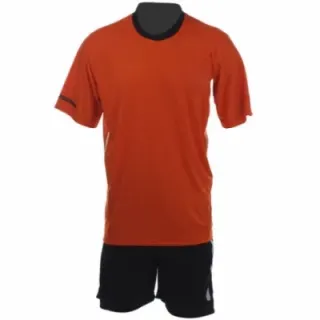 Soccer UniformsPerformance Soccer Uniform
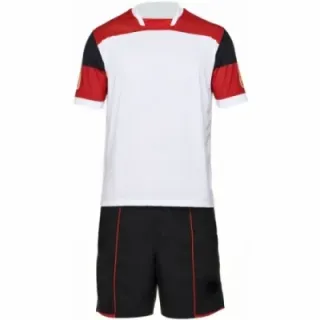 Soccer UniformsPremium Soccer Uniform
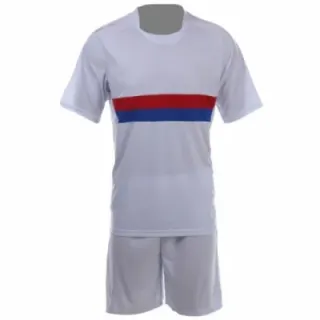 Soccer UniformsMatch Day Soccer Uniform
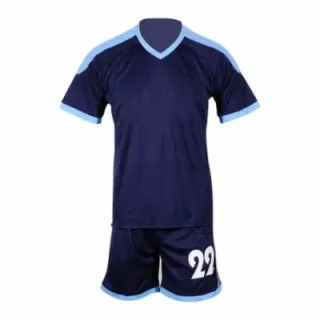 Soccer UniformsPremium Soccer Uniform
Frequently asked questions
Can you sublimate on cotton?
Not effectively. Sublimation ink bonds with polyester fibres; on cotton the colour washes out. Cotton garments are usually screen printed or embroidered.
Can you sublimate on a black shirt?
Not directly — sublimation is transparent and needs a white or light base. Dark designs are achieved by sublimating the dark colour onto white fabric.
Which method lasts longest?
Sublimation and embroidery are both very durable. A good screen print also lasts well when the correct ink is used and the garment is washed inside-out.
Products related to this guide
Kitting out a gym, club or team?
We produce custom team and gym apparel in bulk — your colours, logo and names. Design it in 3D or send us your requirements.