
What Is Moisture-Wicking Fabric and How Does It Work?
In this article
“Moisture-wicking” appears on almost every sports label. It describes a fabric that pulls sweat away from your skin and helps it evaporate, so you stay drier and more comfortable while you move.
How wicking works
Wicking relies on capillary action — the same effect that draws water up a paper towel. Sweat is drawn into the small spaces between fibres and yarns and travels from the wetter side (your skin) to the drier side (the outside of the garment). Spread across a larger area, it evaporates faster.
Two properties make a fabric good at this:
- Low absorbency: fibres such as polyester absorb very little water themselves, so moisture stays between the fibres where it can move, instead of soaking in.
- Fine, open structure: fine yarns, mesh areas and knit structures create many small channels for moisture to travel through.
Which fabrics wick best?
| Fabric | Wicking | Notes |
|---|---|---|
| Polyester knit | Very good | The most common performance fabric; dries quickly and holds colour well. |
| Nylon / polyamide | Good | Soft and strong; absorbs a little more moisture than polyester. |
| Merino wool | Good | Absorbs moisture inside the fibre, handles odour well, dries slower. |
| Cotton | Poor | Absorbs sweat and holds it, so it gets heavy and stays wet. |
Wicking finishes and special yarns
Some fabrics are treated with a hydrophilic (water-loving) finish to help moisture spread. Others use yarns with grooved or multi-channel cross-sections that increase surface area. Finishes can wear off over many washes; yarn-based wicking lasts the life of the garment.
How to keep wicking clothes working
- Avoid fabric softener — it coats the fibres and blocks the channels.
- Do not overdose detergent; residue has the same effect.
- Wash at the temperature on the care label and air-dry where possible.
Where wicking matters most
Base layers, running tops, gym T-shirts, sports bras and team jerseys benefit most. For a casual hoodie or a lifestyle T-shirt, softness and appearance may matter more than wicking.
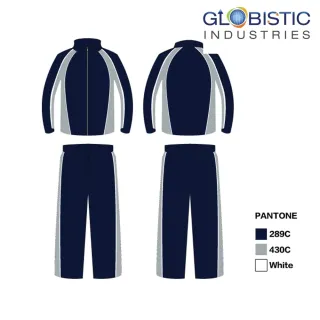 T-ShirtsTeam Edition Training T-Shirt
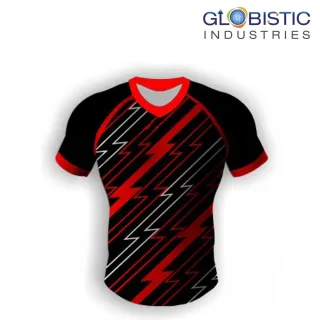 T-ShirtsChampionship Training T-Shirt
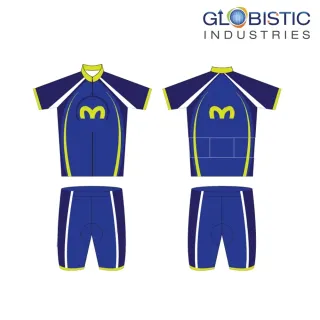 T-ShirtsClub Edition Training T-Shirt
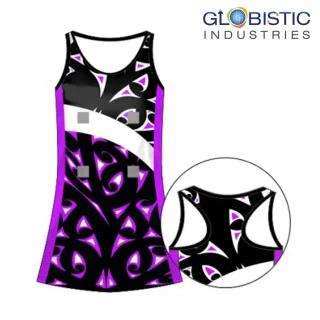 T-ShirtsTeam Edition Training T-Shirt
Frequently asked questions
Is moisture-wicking the same as waterproof?
No. Waterproof fabrics stop water passing through; wicking fabrics are designed to move moisture through and away from the skin.
Does cotton wick moisture?
Not well. Cotton absorbs moisture into the fibre and releases it slowly, which is why cotton feels wet and heavy during hard exercise.
Do moisture-wicking clothes stop wearing off?
Wicking that comes from the yarn and knit structure lasts for the life of the garment. Chemical wicking finishes can reduce over many washes.
Products related to this guide
Have a question about apparel?
Our team in Sialkot is happy to help with fabrics, customisation and bulk orders.