
Polyester vs Cotton for Sportswear: Which Is Better?
In this article
The fabric of a training top or pair of leggings changes how it feels once you start sweating. The two fibres you will see most often are polyester (a synthetic) and cotton (a natural plant fibre). Here is how they compare in practice.
Quick comparison
| Polyester | Cotton | |
|---|---|---|
| Moisture absorption | Very low — sweat moves through and evaporates | High — absorbs sweat into the fibre |
| Drying time | Fast | Slow |
| Feel when wet | Stays relatively light | Heavy and can cling |
| Odour | Can hold body odour if not washed properly | Generally releases odour more easily in the wash |
| Shape retention | Good; resists shrinking and stretching | Can shrink and lose shape |
| Printing | Ideal for sublimation (full-colour, all-over prints) | Suited to screen printing and embroidery; not sublimation |
| Best for | Running, gym, team sports, hot climates | Light activity, lounging, casual wear |
Why polyester dominates performance wear
Polyester absorbs very little water — its moisture regain is roughly 0.4%, compared with about 8% for cotton under standard conditions. Instead of holding sweat, a polyester fabric lets it spread along the surface and evaporate. Fabrics engineered for this are often described as moisture-wicking.
Polyester is also strong, holds colour well and is the fibre used for dye-sublimation, which is why most fully printed football, cricket and cycling kits are polyester.
Where cotton still wins
Cotton is soft, comfortable against the skin and many people prefer its natural feel for walking, yoga at a gentle pace, lounging and everyday wear. Heavier cotton and cotton-rich fleece is also the classic choice for hoodies and sweatshirts.
Its weakness is intense exercise: once cotton is wet it stays wet, which can feel heavy and cold after training and may increase chafing.
What about blends?
Many garments use blends to get the best of both:
- Polyester/elastane (spandex) — stretch and recovery for leggings, compression wear and sports bras.
- Polyester/cotton — softer handle than pure polyester, quicker drying than pure cotton; common in training T-shirts and team polos.
- Nylon/elastane — a smooth, strong alternative often used in premium leggings.
Which should you choose?
- Running, HIIT, team sports, hot weather: polyester or polyester/elastane.
- Strength training: either works; many lifters prefer a poly-cotton tee for feel.
- Yoga and low-intensity sessions: soft blends or cotton-rich fabrics are fine.
- Printed team kits: polyester, so the design can be sublimated.
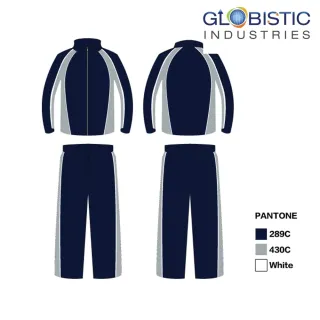 T-ShirtsTeam Edition Training T-Shirt
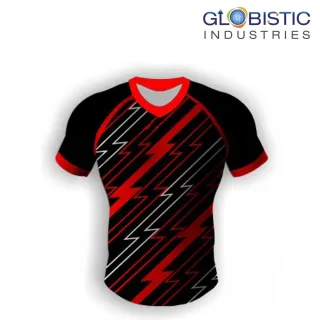 T-ShirtsChampionship Training T-Shirt
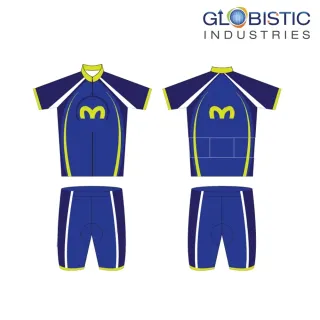 T-ShirtsClub Edition Training T-Shirt
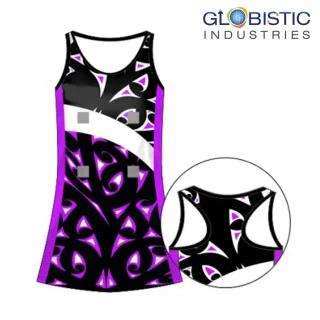 T-ShirtsTeam Edition Training T-Shirt
Looking after polyester sportswear
Because polyester can trap odour-causing bacteria, wash it soon after training, avoid fabric softener (it can coat the fibres) and air-dry it. See our guide on keeping gym clothes fresh for step-by-step tips.
Frequently asked questions
Is 100% polyester good for gym clothes?
Yes for most workouts: it is lightweight, dries quickly and keeps its shape. Choose fabrics marketed as moisture-wicking and wash them promptly to prevent odour.
Is cotton bad for working out?
No, but it is better suited to low-intensity exercise. In long or very sweaty sessions cotton absorbs moisture and can become heavy and uncomfortable.
Why is sportswear printed on polyester?
Dye-sublimation bonds the ink with polyester fibres, giving bright, full-colour prints that do not crack or peel. It does not work on cotton.
Products related to this guide
Have a question about apparel?
Our team in Sialkot is happy to help with fabrics, customisation and bulk orders.
Sources & further reading
- Standard moisture regain values for textile fibres (e.g. ASTM D1909 commercial moisture regain table).