
How to Start a Clothing Brand: Samples, MOQ and Costs
In this article
Starting a clothing brand is part creative project, part supply-chain project. The brands that last usually start small, test their products properly and know their numbers before they order stock.
1. Define the niche
“Activewear for everyone” is hard to sell. “Squat-proof leggings for strength training” or “heavyweight hoodies for streetwear” is easier to design, market and price. Decide who the customer is, where they buy, and what they currently find missing.
2. Plan a small first range
Three to six styles in two or three colours is a realistic first drop for many new brands. Every extra style or colour multiplies sampling costs and minimum quantities.
3. Turn ideas into tech packs
A tech pack is the instruction manual for your garment: flat sketches, measurements, fabric, trims, colours, artwork positions, labels and packing. The more complete it is, the fewer sample rounds you will need.
4. Find the right manufacturer
- Look for factories that already make your product type — leggings and denim need very different machines and skills.
- Ask about their sampling process, minimums per style and colour, and typical timelines.
- Judge communication: clear, quick answers now usually mean fewer problems later.
5. Sampling
Budget for at least two rounds per style. Test samples properly — wear them, wash them, stretch them and check them against your measurement chart. Approve a pre-production sample in writing before bulk.
6. Understand MOQ
MOQ (minimum order quantity) is often set per style and per colour, because fabric is dyed and cut in batches. Some factories offer lower minimums using stock fabric colours; custom-dyed fabric or custom trims usually push minimums up.
7. Work out your costs
| Cost | Includes |
|---|---|
| Development | Tech packs, patterns, samples, courier |
| Product cost | Garment price from the factory (FOB/EXW) |
| Branding | Labels, hangtags, custom packaging |
| Landed cost | Freight, insurance, duties, customs clearance |
| Selling costs | Website, marketing, payment fees, returns |
Your retail price needs to cover all of these and leave a margin — many brands work backwards from the price their customer will pay.
8. Launch and learn
Pre-orders, small drops and customer feedback help you decide what to reorder. Keep your best-selling styles in stock and update weaker ones.
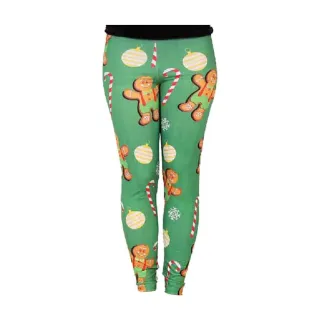
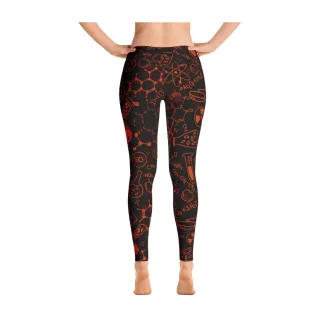 LeggingsLegging LG-101
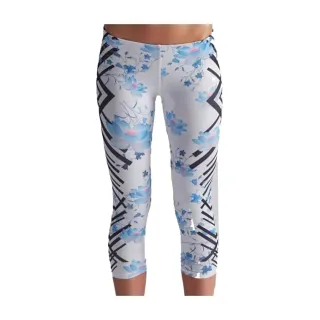 LeggingsCapri Legging CP-101
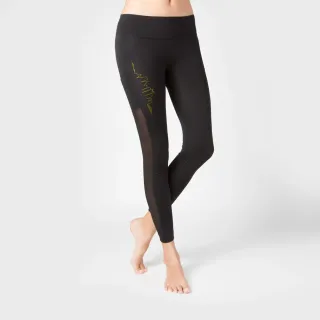 LeggingsLegging LG-102
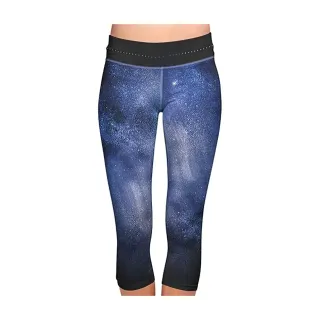 LeggingsCapri Legging CP-102
Frequently asked questions
How much does it cost to start a clothing brand?
It varies widely with the number of styles, fabric, quantities and where you sell. Build a budget from sample costs, MOQ × unit price, branding, shipping and duties, and marketing rather than relying on a single figure.
Can I start a clothing brand with a small quantity?
Yes. Choosing stock fabric colours, fewer styles and simple decoration can keep minimums lower. Ask manufacturers what options they have for first orders.
Do I need a tech pack?
A tech pack is strongly recommended. Without one, the factory has to guess, which leads to more sample rounds and more mistakes.
Products related to this guide
Building your own clothing brand?
Talk to us about private label and OEM production — samples, labels, packaging and your tech pack.