How to Find a Private Label Sportswear Manufacturer (Step-by-Step)
In this article
“Private label” means a manufacturer produces garments that are sold under your brand name — with your labels, tags and packaging. It is how most new sportswear and activewear brands start: you focus on design, marketing and sales, and a factory handles fabric sourcing, cutting, sewing and finishing.
The hard part is choosing the right partner. This guide walks through the process buyers commonly use, from writing your brief to approving bulk production.
Step 1: Define exactly what you want to make
Manufacturers quote faster and more accurately when your brief answers these questions:
- Product types — e.g. leggings, sports bras, training T-shirts, hoodies, tracksuits.
- Fabric — composition (e.g. polyester/elastane), weight in GSM, finish (brushed, moisture-wicking), and colours.
- Branding — logo method (sublimation, screen print, embroidery, heat transfer, silicone/rubber badge), neck labels, hang tags, poly bags.
- Sizes and fit — size range and a measurement chart or a reference garment you like.
- Quantities — per style, per colour and per size. This decides whether you meet a factory’s minimum order quantity (MOQ).
- Target landed cost and timeline — what you can pay per piece including shipping and duties, and when you need stock.
If you can, put this into a tech pack: a document with flat sketches, measurements, materials, trims, artwork placement and packaging instructions.
Step 2: Shortlist manufacturers that already make your product
A factory that sews jeans is not automatically good at four-way-stretch leggings. Look for manufacturers whose existing range matches your products and fabrics. Useful places to search include industry directories, trade fairs, B2B marketplaces and manufacturers’ own websites, where you can see actual product photos and specifications.
Sialkot in Pakistan, for example, is a long-established centre for sportswear, team uniforms and martial arts wear, and many factories there export directly to brands in Europe, North America and Australia.
Step 3: Ask the right questions
| Question | Why it matters |
|---|---|
| What is your MOQ per style / colour? | Tells you whether your first order is realistic and what each extra colour costs. |
| Do you develop samples, and what do they cost? | Sampling is where fit and quality problems are fixed — before money is spent on bulk. |
| Which decoration methods do you do in-house? | In-house sublimation or embroidery usually means more control over colour and timing. |
| How do you check quality? | Ask about in-line checks during sewing and a final inspection before packing. |
| What are typical sampling and bulk lead times? | Lets you plan launches and seasonal drops. |
| Which shipping terms do you work with (e.g. FOB, CIF, DDP)? | Decides who pays for and manages freight, insurance and import clearance. |
Step 4: Order samples — and test them properly
Never skip sampling. When the samples arrive, wear-test them and check:
- Measurements against your size chart.
- Fabric opacity (do the squat test on leggings), stretch and recovery.
- Stitching: are seams flat and secure, and do they stretch without cracking?
- Print or embroidery quality, colour accuracy and position.
- Labels and care instructions.
- How it looks after several washes.
Send written comments with photos. Most products need one or two rounds of corrections before a pre-production (PP) sample is approved.
Step 5: Agree the commercial terms in writing
Before paying a deposit, confirm the price per piece, payment terms, approved sample reference, bulk delivery date, packaging, shipping terms and what happens if goods fail inspection. A purchase order that references the approved PP sample protects both sides.
Step 6: Inspect before shipment
Many importers book a final inspection when production is finished and at least most of the order is packed. Inspectors usually sample cartons using an AQL (acceptable quality limit) plan and report defects, measurements and packing. It costs far less to fix problems at the factory than after the goods arrive.
Common mistakes to avoid
- Choosing on price alone, without comparing samples.
- Vague briefs (“good quality leggings”) instead of fabric, GSM and measurements.
- Approving bulk from a photo instead of a physical sample.
- Ignoring landed cost — freight, duties and taxes can change the numbers a lot.
- Ordering too many styles and colours for a first drop.
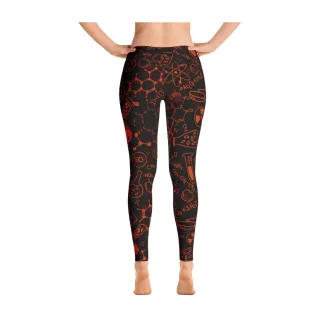 LeggingsLegging LG-101
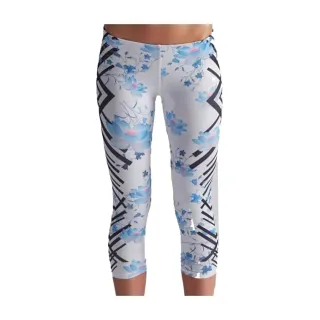 LeggingsCapri Legging CP-101
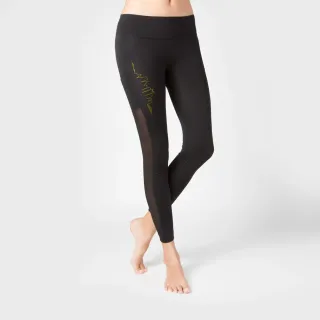 LeggingsLegging LG-102
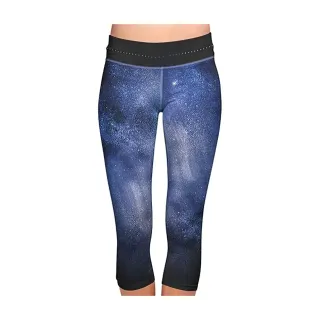 LeggingsCapri Legging CP-102
Next step
If you already know what you want to make, you can visualise a design in our
Frequently asked questions
What is the difference between private label and white label clothing?
White label usually means choosing a manufacturer’s existing design and adding your logo. Private label usually means the garment is made to your own specification — fabric, fit, colours and details — and sold only under your brand. Many manufacturers offer both.
Do I need a tech pack before contacting a manufacturer?
It is not strictly required, but a tech pack (or at least sketches, a size chart and a reference garment) gets you faster, more accurate quotes and fewer sampling rounds.
How many samples should I expect before bulk production?
It depends on how complex the product is and how complete your brief is. Simple items may be approved after one sample; technical garments often need two or three rounds before the pre-production sample is signed off.
Products related to this guide
Building your own clothing brand?
Talk to us about private label and OEM production — samples, labels, packaging and your tech pack.
Sources & further reading
- ISO 2859-1 — Sampling procedures for inspection by attributes (the basis of most AQL inspection plans).