
High-Visibility Clothing Classes Explained (EN ISO 20471 & ANSI/ISEA 107)
In this article
High-visibility (hi-vis) clothing makes workers easier to see by day and at night. Two standards are referred to most often: EN ISO 20471 (used in the UK, EU and many other countries) and ANSI/ISEA 107 (used in the United States). Both group garments into classes based on how much visible material they contain.
The two materials that make clothing “hi-vis”
- Fluorescent background material — usually yellow, orange-red or red. It makes the wearer stand out in daylight and dusk.
- Retroreflective material — the silver tape that reflects light back towards its source, such as vehicle headlights at night.
EN ISO 20471 classes
The standard sets minimum areas of each material for the garment (or combination of garments) worn:
| Class | Min. background material | Min. retroreflective material | Typical garments |
|---|---|---|---|
| Class 1 | 0.14 m² | 0.10 m² | Trousers or bib-trousers on their own, lower-risk areas |
| Class 2 | 0.50 m² | 0.13 m² | Vests / waistcoats, short-sleeve tops |
| Class 3 | 0.80 m² | 0.20 m² | Jackets with sleeves, coveralls, jacket + trousers combinations |
Combinations matter: a Class 2 jacket worn with hi-vis trousers can achieve a Class 3 rating as an outfit, provided the combination is tested and labelled that way.
ANSI/ISEA 107 types and classes
The US standard first sorts garments by type according to the work environment — Type O (off-road), Type R (roadway and temporary traffic control) and Type P (public safety) — and then by performance class 1, 2 or 3, with Class 3 offering the most visibility. Supplemental items such as hi-vis trousers on their own are labelled “Class E”, and can raise an outfit to Class 3 when worn with a Class 2 or 3 top.
Which class do your workers need?
The class is a result of your risk assessment, not a preference. Consider:
- Speed and volume of traffic or moving machinery near the worker.
- Distance between the worker and vehicles.
- Lighting conditions and weather (night work, fog, rain).
- Complexity of the background — busy sites make people harder to spot.
- Local regulations and client site rules, which may specify a minimum class.
As a broad rule, workers close to fast traffic or working at night usually need the highest class; low-speed, well-lit areas may allow lower classes. Always follow the rules that apply in your country and industry.
Keeping hi-vis garments effective
- Follow the care label — the label states how many wash cycles the garment was tested for.
- Replace garments that are faded, heavily soiled or have damaged reflective tape.
- Logos and printing must not cover so much fluorescent or reflective material that the garment drops below its class.
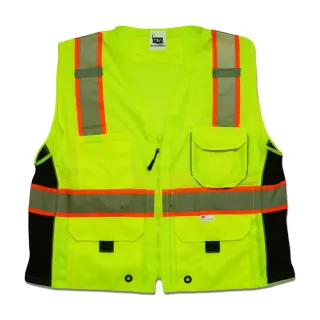
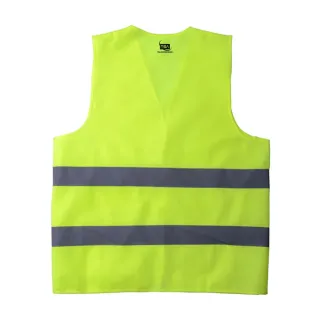
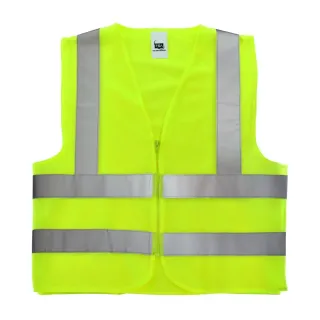 Working VestHi-Vis Safety Vest HV-101
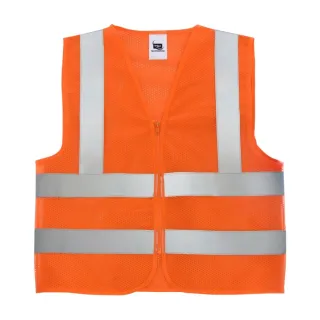 Working VestHi-Vis Safety Vest HV-102
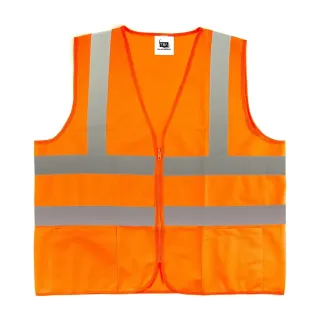 Working VestHi-Vis Safety Vest HV-103
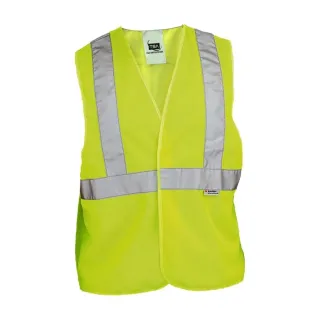 Working VestHi-Vis Safety Vest HV-104
Frequently asked questions
Is a hi-vis vest Class 2 or Class 3?
Most vests are Class 2. Class 3 normally requires more coverage, such as a jacket with sleeves or a jacket-and-trousers combination tested together. Check the garment label.
Can I put my company logo on hi-vis clothing?
Usually yes, but the logo must not reduce the fluorescent or reflective area below the minimum for the garment’s class. Ask the supplier which positions and sizes are acceptable.
How long does hi-vis clothing last?
It depends on use and washing. The label shows the maximum number of washes it was tested for; replace garments sooner if they are faded, dirty or damaged.
Products related to this guide


Need workwear or safety clothing for your team?
Tell us the roles, quantities and standards you work to and we will recommend suitable garments.
Sources & further reading
- EN ISO 20471:2013 (+A1:2016) — High visibility clothing — Test methods and requirements.
- ANSI/ISEA 107-2020 — American National Standard for High-Visibility Safety Apparel.