
Compression Wear: What It Is and Who It’s For
In this article
Compression shirts, shorts and leggings are common in gyms, on running tracks and under team kits. Here is what they are, what the evidence says, and how to choose them.
What makes a garment “compression”?
Compression garments are made from knit fabrics with a high percentage of elastane (spandex), often 15–25% or more, combined with nylon or polyester. They are cut smaller than the body so the fabric stretches and applies even pressure. Flatlock seams help prevent rubbing.
Sports compression vs medical compression
Medical compression stockings are made to specific pressure grades and are used for circulatory conditions under medical advice. Sports compression wear is not designed to treat medical conditions; if you have a health concern, speak to a doctor.
What the research suggests
- Recovery: several reviews have found that wearing compression garments after exercise may reduce perceived muscle soreness and fatigue.
- Performance: effects on strength, speed or endurance are generally small or inconsistent.
- Comfort and feel: many athletes like the supported feeling and reduced muscle movement, and that alone can be a good reason to wear it.
Who it suits
- Runners and team-sport players who want a snug base layer.
- Gym-goers who prefer a close fit that does not ride up.
- Athletes who like wearing it for travel or recovery after hard sessions.
- Cold-weather training, as a thin first layer.
How compression wear should fit
- Snug all over, with no loose areas — but it should not dig in, cause numbness or leave deep marks.
- You should be able to move and breathe freely.
- Use the brand’s size chart; compression sizes are often based on body measurements rather than S/M/L alone.
Care
Wash cool, avoid fabric softener and tumble-drying on high heat — heat damages elastane and the garment will lose its compression.
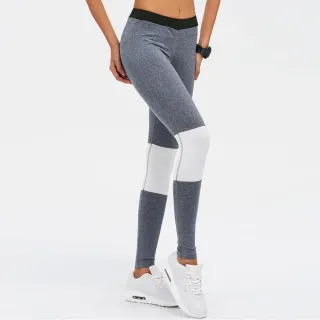
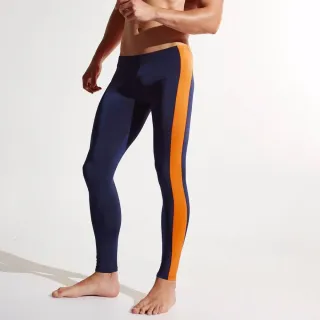 Tights & BottomsTraining Tight TB-101
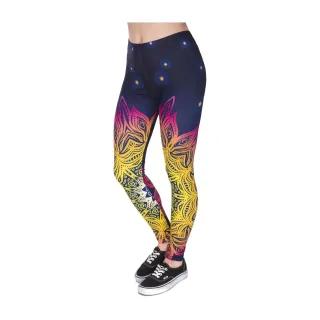 Tights & BottomsTraining Tight TB-102
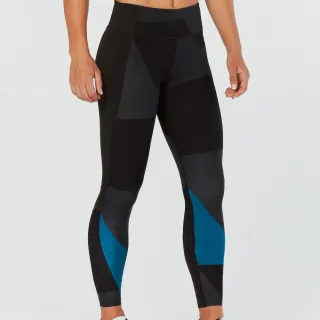
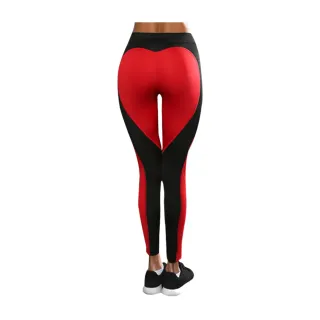 Tights & BottomsTraining Tight TB-103
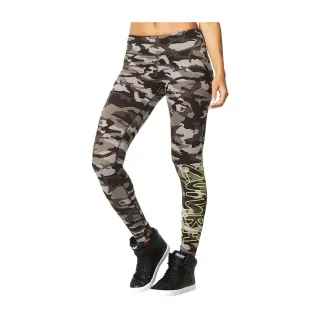 Tights & BottomsTraining Tight TB-104
Frequently asked questions
Should compression clothes be tight?
Yes, they should feel snug and supportive, but never painful. Numbness, tingling or deep marks mean the size is too small.
Can I wear compression wear all day?
Many people wear sports compression for training and a few hours afterwards. If you plan to wear it for long periods or have circulation concerns, ask a medical professional.
What is the difference between a compression shirt and a regular gym T-shirt?
A compression shirt has much more elastane and is cut tighter so it applies pressure; a regular gym T-shirt is looser and mainly designed for breathability and comfort.
Products related to this guide

Looking for the right kit?
Browse our range, or ask our team which fabric and fit suits your training.
Sources & further reading
- Hill J. et al. (2014), “Compression garments and recovery from exercise-induced muscle damage: a meta-analysis”, British Journal of Sports Medicine.
- Engel F.A. et al. (2016), “Is there evidence that runners can benefit from wearing compression clothing?”, Sports Medicine.