
How to Stop Gym Clothes from Smelling
In this article
Sweat itself has very little smell. The odour comes from bacteria on the skin breaking down compounds in sweat. Synthetic fabrics such as polyester are excellent for training, but research has found they can retain odour more than cotton, so performance kit needs a slightly different washing routine.
Step 1: Don’t let sweat sit
- Take kit out of your gym bag as soon as you get home.
- If you cannot wash it straight away, hang it up to dry instead of throwing it in a laundry basket damp.
Step 2: Wash inside-out
Turning garments inside-out exposes the side that touched your skin to the water and detergent, and it protects prints and the outer surface.
Step 3: Use the right detergent — and less softener
- Use a good-quality detergent at the dose on the pack; too much leaves residue that can trap odour.
- Skip fabric softener on performance fabrics. It coats the fibres and can reduce their moisture-wicking ability.
- Sports-specific detergents or enzyme-based products can help with persistent odour.
Step 4: Pre-soak stubborn items
For kit that still smells after washing, soak it for 15–30 minutes in cool water with a cup of white vinegar (or an enzyme pre-soak) before a normal wash. Always check the care label first.
Step 5: Choose a sensible temperature
Follow the care label. Many synthetic and elastane garments are labelled for 30–40 °C; very hot washes and tumble-drying on high heat can damage elastane and cause stretch to fail.
Step 6: Dry completely
Air-dry in a well-ventilated place or outdoors. Clothes that stay damp for hours are where odour builds up again.
Common mistakes
| Mistake | Better habit |
|---|---|
| Leaving wet kit in a bag overnight | Hang it up immediately |
| Using lots of detergent and softener | Correct dose, no softener |
| Overloading the machine | Leave room for water to circulate |
| Tumble-drying on high heat | Air-dry or low heat |
When it’s time to replace
If a garment still smells immediately after a careful wash and soak, the fibres may be permanently holding odour. Replacing heavily used kit is often the only fix.
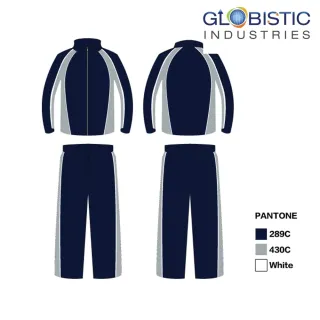 T-ShirtsTeam Edition Training T-Shirt
 T-ShirtsChampionship Training T-Shirt
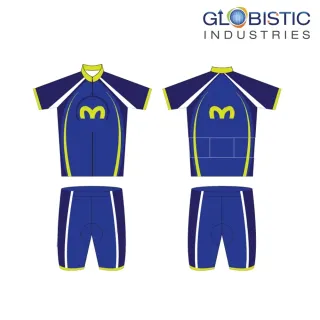 T-ShirtsClub Edition Training T-Shirt
 T-ShirtsTeam Edition Training T-Shirt
Frequently asked questions
Why do my polyester workout clothes smell even after washing?
Odour-causing compounds and bacteria can cling to synthetic fibres, especially if clothes sit damp or are washed with too much detergent or softener. Pre-soaking and drying fully usually helps.
Does vinegar damage gym clothes?
Diluted white vinegar used as a short pre-soak is commonly recommended and is generally safe for most fabrics, but check the care label and do not mix it with bleach.
Should I use fabric softener on activewear?
It is best avoided. Softener can coat technical fabrics and reduce their ability to move moisture away from the skin.
Products related to this guide

Looking for the right kit?
Browse our range, or ask our team which fabric and fit suits your training.
Sources & further reading
- Callewaert C. et al. (2014), “Microbial odor profile of polyester and cotton clothes after a fitness session”, Applied and Environmental Microbiology.