
How to Make Sure Leggings Aren’t See-Through (Fabric & GSM Guide)
In this article
See-through leggings are one of the most common complaints in activewear reviews. For brands, they can lead to returns and bad reviews; for buyers, they are simply embarrassing. The good news is that opacity can be designed and tested.
Why leggings go see-through
- Light fabric: fewer grams of fibre per square metre means more gaps when stretched.
- Open knit: single jersey shows more light through than a double-knit or interlock.
- Over-stretching: a size too small stretches the knit open, especially at the seat and knees.
- Colour: light and bright colours show more than black, navy or dark prints.
- Yarn: fine yarns without enough coverage, or shiny yarns, can look more transparent.
Fabric weight (GSM)
GSM means grams per square metre. As a rough guide for leggings fabrics:
| GSM (approx.) | Typical feel |
|---|---|
| Under 200 | Light, fashion or summer styles — higher risk of transparency |
| 220–280 | Mid-weight performance leggings |
| 280–340+ | Heavy, sculpting or strength-training leggings |
GSM alone is not enough — a dense, well-knitted 240 GSM fabric can be more opaque than a loose 280 GSM one.
Knit structure and composition
- Interlock / double knit: two layers knitted together; smooth both sides and much more opaque.
- Elastane content: often around 15–25% in performance leggings for stretch and recovery; good recovery stops the fabric staying stretched open.
- Nylon vs polyester: nylon blends often feel softer and more “brushed”; polyester blends dry fast and suit sublimation prints.
The squat test
- Put on the leggings in your normal size.
- Stand with your back to a mirror under bright, white light (daylight or LED).
- Squat deeply and check the seat and thighs.
- Repeat with a phone flash photo — flash reveals transparency the eye can miss.
- Test each colour separately, especially light shades.
For brands: run the test on fabric swatches stretched over a hand, then on samples, and again on the first bulk pieces.
Design details that help
- A gusset reduces strain at the crotch.
- Darker colours or prints for the seat panel on light designs.
- A correct size chart, so customers do not size down too far.
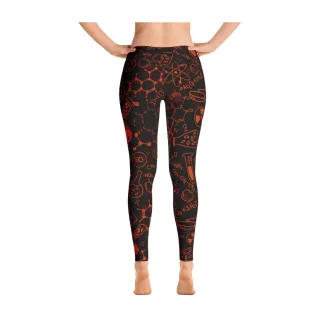 LeggingsLegging LG-101
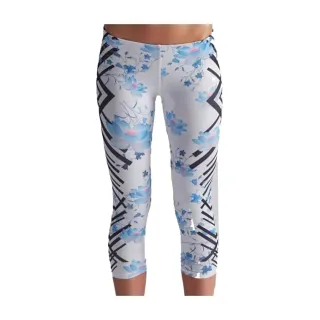 LeggingsCapri Legging CP-101
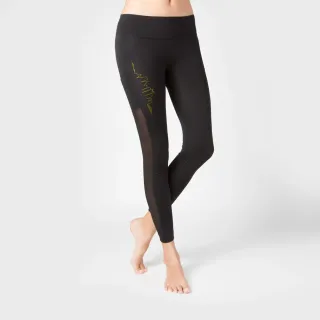 LeggingsLegging LG-102
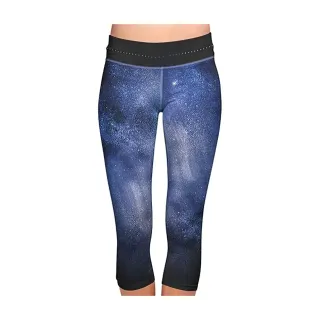 LeggingsCapri Legging CP-102
Frequently asked questions
What GSM should squat-proof leggings be?
Many performance leggings sit around 220–320 GSM, but knit density and structure matter as much as weight. Always confirm with a squat test.
Why are my black leggings see-through?
They may be too small, too light, or made from a loose single-knit fabric. Black hides transparency better but cannot fix a thin or over-stretched fabric.
Does washing make leggings more see-through?
Hot washes and tumble-drying can damage elastane, reducing recovery so the fabric stays stretched open. Wash cool and air-dry.
Products related to this guide
Building your own clothing brand?
Talk to us about private label and OEM production — samples, labels, packaging and your tech pack.